You Gotta See These Hidden Art Spots in Lyon
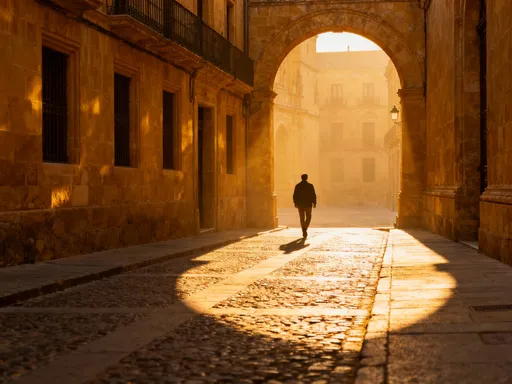
Lyon isn’t just about food and history—its art scene is quietly exploding. I wandered beyond the tourist trails and found galleries tucked in courtyards, murals breathing life into old buildings, and creative spaces where local artists thrive. This city blends tradition with bold expression, and the best spots? They’re not on every map. If you're craving authentic, off-the-beaten-path creativity, Lyon delivers—no pretension, just passion. With cobblestone alleys whispering centuries of stories and riverbanks reflecting modern innovation, Lyon reveals itself slowly, rewarding those who look closer. It’s a city where silk weavers once shaped its economy and now, their legacy inspires a new generation of creators. This is not a flashy art capital like Paris, but something more intimate, more honest. Here, art isn’t confined to marble halls—it lives in doorways, on rooftops, in metro stations, and over coffee counters.
Why Lyon’s Art Scene Surprised Me
When I first arrived in Lyon, I came for the cuisine. Renowned for its bouchons and rich culinary heritage, the city draws food lovers from around the world. But within hours of stepping off the train, I noticed something unexpected: color. Not just the golden glow of stone buildings at sunset, but vivid murals stretching across facades, hand-painted signs on small boutiques, and sculptures peeking out from quiet corners. There was an undercurrent of creativity that hadn’t made it into most travel guides. Unlike Paris, where art often feels curated and institutional, Lyon’s creative energy pulses at street level—organic, unfiltered, and deeply rooted in community. Artists here aren’t chasing fame; they’re part of the neighborhood fabric.
What struck me most was how seamlessly art integrates with daily life. A grandmother might pause to chat with a painter setting up near her apartment, or a child might trace the outline of a mural on a school wall during recess. There’s no barrier between observer and creator. This accessibility makes Lyon’s art scene feel welcoming, especially for travelers who want more than a checklist of landmarks. The city doesn’t shout about its artistic offerings—they unfold naturally as you walk, linger, and listen. And that’s precisely why it’s so powerful. You don’t need a museum ticket to experience beauty here; you just need curiosity.
Another factor that sets Lyon apart is its relationship with history. While many cities treat heritage as something to preserve behind glass, Lyon uses it as raw material for reinvention. Old silk factories become studios. Hidden passageways once used by canuts (silk workers) now lead to intimate exhibition spaces. The past isn’t static—it’s alive, evolving, and constantly reinterpreted through contemporary eyes. This dialogue between old and new gives Lyon’s art scene a depth that feels both grounded and forward-thinking. It’s not about rejecting tradition, but reimagining it in ways that speak to today’s world.
Exploring the Croix-Rousse: Threads of Art and History
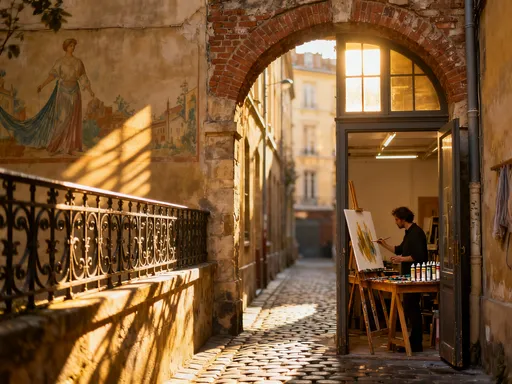
The Croix-Rousse district is often called the “hill that works,” in contrast to the “hill that prays” (Fourvière). Historically home to Lyon’s silk weavers, this neighborhood retains the spirit of craftsmanship that defined its identity for generations. Today, it remains a hub of making—not just textiles, but ceramics, printmaking, fashion design, and experimental art. Walking through its narrow streets, you’ll notice studio doors slightly ajar, revealing glimpses of workbenches, drying canvases, and half-finished sculptures. These aren’t staged for tourists; they’re real working spaces where artists live and create.
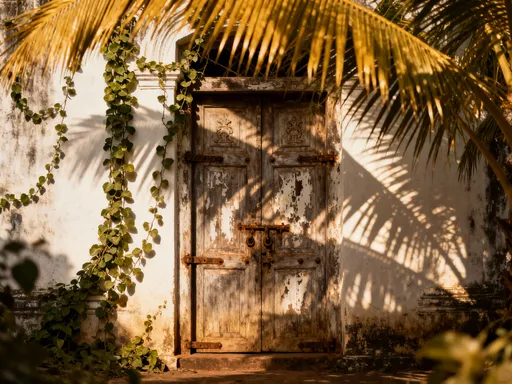
One of the most enchanting ways to explore Croix-Rousse is by wandering through the traboules—hidden passageways that cut through buildings and connect one street to another. Originally used by silk workers to transport fabric without getting wet, these shortcuts now serve as secret arteries of discovery. Some lead directly into interior courtyards where murals cover entire walls. Others open into small galleries tucked behind unmarked doors. It’s easy to miss them if you’re not paying attention, but once you learn to spot the subtle archways and iron gates, a whole other layer of the city reveals itself. Guided maps are available at the tourist office, but part of the joy is stumbling upon them by accident.
Many former ateliers have been repurposed into artist collectives or shared workspaces. In one such building, I met a group of ceramicists who transformed an old weaving loft into a light-filled studio. They spoke passionately about how the high ceilings and large windows—originally designed for looms—were perfect for their craft. This kind of adaptive reuse is common throughout the district. Heritage isn’t erased; it’s honored and built upon. Even the tools of the past—wooden shuttles, pattern books, vintage sewing machines—sometimes appear in modern installations, bridging centuries of creativity.
What makes Croix-Rousse particularly special is its lack of pretense. There are no velvet ropes or hushed galleries here. Artists often welcome visitors, happy to explain their process or share a story behind a piece. You might find yourself discussing glazing techniques over tea or watching a screen printer pull a limited edition run. These interactions create a sense of connection that’s rare in larger, more commercial art centers. For families, couples, or solo travelers alike, the district offers a refreshingly human-scale experience—one where creativity feels attainable, not distant.
Street Art That Tells a Story: From Murals to Hidden Corners
Lyon is widely recognized as a pioneer in urban art, thanks in large part to the Fresque des Personnages, a massive mural depicting 30 figures from Lyon’s history and culture. Painted by artists from the Cité de la Création collective, this iconic work covers the side of a building at the intersection of Rue de Gadagne and Quai Saint-Vincent. It’s one of the largest frescoes in Europe and has become a symbol of the city’s embrace of public art. But beyond this well-known piece lies a network of lesser-known murals that tell equally compelling stories—about migration, industry, nature, and community.
In neighborhoods like La Guillotière, Lyon’s most culturally diverse district, street art reflects the voices of its residents. Brightly colored panels depict scenes from North African, Asian, and Middle Eastern traditions, celebrating the city’s multicultural identity. One mural shows a grandmother preparing tea in a traditional pot, while another features a child flying a kite shaped like a stork—symbolizing both migration and hope. These works aren’t just decorative; they’re acts of visibility, giving space to communities often overlooked in mainstream narratives. They also transform what might otherwise be overlooked urban spaces into open-air galleries.
Vieux Lyon, the oldest quarter of the city, offers a different kind of street art experience. Here, the focus shifts from large-scale murals to subtle interventions—hand-painted tiles tucked into alleyways, poetic phrases etched into stone, or small sculptures hidden in niches. One particularly charming example is the Cinéma Imaginaire, a trompe-l’oeil painting on a blank wall that mimics a vintage movie theater facade, complete with glowing marquee lights and a red carpet leading nowhere. It invites passersby to pause, smile, and imagine. These quieter works reward slow exploration and attention to detail, making them ideal for travelers who enjoy discovering hidden gems.
Street art in Lyon is not static. The city supports ongoing projects through municipal programs and festivals like Lyon Street Art Tour, which brings international and local artists together to create new works each year. Some pieces are temporary, meant to spark conversation before fading away. Others are preserved due to public affection. This fluidity keeps the urban landscape dynamic and ever-changing. For visitors, it means that returning to the same street months later might reveal an entirely new visual story. And because much of this art is freely accessible at all hours, it democratizes culture in a way few other forms can.
Galleries Off the Beaten Path: Where Locals Go
While Lyon has major institutions like the Musée des Beaux-Arts, some of the most rewarding experiences come from visiting smaller, independent galleries. Places like Galerie Duret in the 6th arrondissement offer a more personal encounter with contemporary art. Specializing in figurative painting and sculpture, the gallery represents both emerging and established French artists. Its intimate setting allows visitors to engage deeply with each piece, often without crowds or time pressure. The staff are knowledgeable and approachable, frequently sharing insights about the artists’ backgrounds and creative processes.
Another must-visit is L’Atelier de l’Art Brut, located near the Presqu’île. Dedicated to outsider art—works created by self-taught or marginalized artists—this space challenges conventional definitions of creativity. The collection includes pieces by individuals with psychiatric conditions, prisoners, and spiritual visionaries, all united by raw emotional power and originality. Rather than being displayed with clinical detachment, the works are presented with respect and context, emphasizing the humanity behind them. For many visitors, this gallery offers a profound reminder that art doesn’t require formal training to move people.
What sets these smaller galleries apart is their emphasis on dialogue. Unlike larger museums where you might feel rushed or anonymous, here you can ask questions, sit with a piece longer, or even meet the artist during opening nights. Many host regular vernissages (preview events) that are open to the public, often accompanied by wine and conversation. These gatherings feel more like neighborhood parties than elite art functions, reinforcing Lyon’s reputation for warmth and inclusivity.
Practical considerations matter too. Most independent galleries have limited hours, typically open Wednesday through Sunday from 2 PM to 7 PM, so planning ahead is essential. Many offer free admission, supported by sales and cultural grants. Some participate in Nuit des Musées (Museum Night), an annual spring event when museums and galleries stay open late with special programs and performances. Timing your visit around this festival can significantly enrich your experience, allowing you to see multiple venues in one evening while enjoying live music, guided tours, and family-friendly activities.
Art in Unexpected Places: Libraries, Parks, and Metro Stations
One of the joys of Lyon is realizing that art doesn’t require a dedicated venue. You’ll encounter it in the most ordinary moments: waiting for the tram, strolling through a park, or browsing books in a public library. The city has long embraced the idea that culture should be integrated into everyday life, not segregated in special districts. This philosophy is evident in places like the Bibliothèque de la Part-Dieu, where rotating exhibitions line the corridors and digital installations invite interaction. Even functional spaces become opportunities for beauty and reflection.
The Musée d’Art Contemporain de Lyon, situated on the banks of the Rhône River, exemplifies this integration. Its striking modern architecture contrasts with the natural surroundings, creating a dialogue between built and organic environments. The museum’s programming focuses on international contemporary artists, with a strong emphasis on social themes and experimental media. What makes it stand out is its accessibility—not just physically (with ramps and elevators), but emotionally. Labels are written in clear language, and audio guides are available in multiple languages, making complex concepts easier to grasp for non-specialists.
Parc de la Tête d’Or, one of Europe’s largest urban parks, also serves as an open-air sculpture garden. Scattered throughout the greenery are permanent installations ranging from abstract metal forms to figurative bronzes. Children often climb on them, families picnic nearby, and joggers weave around them without a second thought—proof that art can coexist with recreation. Temporary exhibits are also common, especially during summer months, when performance art and pop-up installations add surprise and delight to leisurely walks.
Even the metro system contributes to Lyon’s artistic landscape. Stations like Hôtel de Ville–Louis Pradel feature curated designs, with walls lined in colorful tiles and lighting that changes hue depending on the time of day. Others incorporate soundscapes or poetry excerpts embedded in the flooring. These details transform routine commutes into subtle aesthetic experiences. For travelers, it means that every journey—whether to a museum or a market—becomes part of the cultural journey. You don’t have to seek out art; sometimes, it finds you.
Connecting Art to Daily Life: Cafés, Markets, and Creative Hubs
In Lyon, the line between art and daily routine is beautifully blurred. You’ll find painters selling original works at weekend markets alongside farmers offering fresh goat cheese and lavender honey. At places like the Marché de la Création in Place des Jacobins, local artisans display jewelry, textiles, prints, and ceramics—each item imbued with personal expression. These markets aren’t tourist traps; they’re genuine community events where locals come to support independent creators. Bargaining is rare; instead, conversations flow easily, often beginning with “How did you make this?” or “What inspired it?”
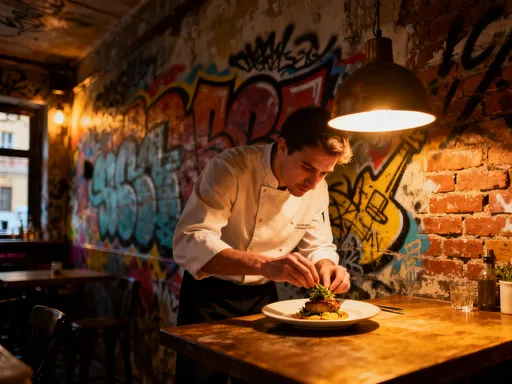
Cafés also play a vital role in Lyon’s creative ecosystem. Several are run by artists or double as exhibition spaces. One such spot, tucked away in the 5th arrondissement, rotates monthly shows on its walls while serving locally roasted coffee and homemade pastries. Patrons sip lattes beneath oil paintings or watercolors, some for sale with modest price tags. The atmosphere is relaxed, conducive to reading, sketching, or quiet conversation. These spaces prove that art doesn’t need a formal setting to thrive—it flourishes wherever people gather with intention and care.
Shop displays in Lyon are another form of everyday artistry. Bakeries arrange breads like still-life compositions. Butchers hang sausages in rhythmic patterns. Even hardware stores organize tools by color and size, creating accidental installations. This attention to visual harmony reflects a broader cultural value: the belief that beauty enhances ordinary life. It’s not about luxury or excess, but about taking pride in one’s work and environment. For visitors, it offers a lesson in slowing down and noticing details—the curve of a hand-painted sign, the texture of a stone engraving, the way light hits a mosaic at midday.
This integration of art into daily rhythms makes Lyon feel deeply livable. Creativity isn’t reserved for weekends or special occasions; it’s woven into the workweek, the commute, the grocery run. Children grow up seeing art as part of the world, not something locked behind glass. This normalization of creativity fosters a society where self-expression is valued, and where everyone—regardless of background—can contribute to the cultural fabric.
How to Experience Lyon’s Art Like a Local
To truly connect with Lyon’s art scene, timing and approach matter. The best moments often come when you’re not rushing. Aim to visit galleries and markets in the late morning or early afternoon, when owners are present and light is optimal for viewing. Avoid Sundays in quieter neighborhoods, as many small spaces close. Instead, plan around recurring cultural events like Nuit des Musées (usually in May), when over 50 venues open their doors for free after dark, offering performances, workshops, and special exhibitions. Another highlight is the Festival of Lights (Fête des Lumières) in December, when the entire city becomes a canvas for light art, drawing millions of visitors.
Public transportation makes navigating Lyon’s districts easy and stress-free. The metro, tram, and bus network connects key artistic areas, from Croix-Rousse to La Guillotière to the Presqu’île. A two-day transit pass costs less than $20 and allows unlimited rides, making it simple to hop between neighborhoods without relying on taxis or rideshares. Walking is also highly recommended, especially in compact zones like Vieux Lyon, where getting lost is part of the adventure. Comfortable shoes are essential—many streets are cobblestoned, and hills can be steep.
When engaging with art in Lyon, a few etiquette guidelines enhance the experience for everyone. Always ask before photographing artists at work, especially in studios or markets. Many welcome it, but some prefer privacy during creative flow. If you’re interested in a piece, start with a friendly conversation rather than immediate price inquiry—it shows respect for the craft. And remember, silence isn’t required in most settings. Unlike formal museums, many spaces encourage discussion, laughter, and even questions from children. This openness reflects Lyon’s belief that art belongs to all people, not just connoisseurs.
Finally, allow room for spontaneity. Some of the best discoveries happen when plans fall through—a closed gallery leads to a chance encounter with a street performer, or a missed tram results in finding a hidden courtyard mural. Let the city guide you. Carry a small notebook to sketch or jot down impressions. Talk to locals. Order a coffee and stay awhile. These small acts deepen your connection far more than ticking off a list ever could.
Conclusion
Lyon’s art spaces aren’t about grand statements—they’re woven into the city’s rhythm. By stepping off main streets and following quiet alleys, you uncover a creative soul that’s alive, accessible, and deeply human. This isn’t just sightseeing—it’s connection. And honestly? It might just change how you see cities forever. Lyon teaches us that culture doesn’t have to be loud or expensive to be meaningful. It can be a mural on a rainy wall, a potter shaping clay in a sunlit studio, or a child tracing a painted stork on a community board. These moments accumulate into a richer, more textured travel experience—one that stays with you long after the trip ends. For women who value authenticity, warmth, and beauty in everyday life, Lyon offers a quiet revelation: that the most lasting art is not displayed behind glass, but lived.