How I Read the Market Without Losing My Mind — A Real Routine
Ever feel like the market speaks a language no one taught you? I’ve been there—watching charts, jumping at news, and still ending up confused. After years of trial, error, and more than a few sleepless nights, I built a daily system that actually works. It’s not about chasing gains or predicting crashes. It’s about clarity, consistency, and staying in control. This is how I manage money every day, and why understanding the market isn’t about genius—it’s about routine.
The Daily Money Trap Everyone Falls Into
Many people believe that managing their finances on a daily basis means constantly checking stock prices, refreshing bank balances, or reacting to breaking financial news. But this behavior is not management—it’s reaction. The real danger lies in allowing emotions to dictate decisions based on noise rather than insight. Headlines scream urgency, social media amplifies fear or excitement, and the fear of missing out can push even thoughtful individuals into impulsive moves. I used to be one of them. I remember selling a long-term holding during a minor dip simply because a financial influencer declared a market crash was imminent. Weeks later, the market rebounded, and I was left with regret and a smaller portfolio.
This kind of emotional decision-making is not unique. Studies have shown that investors who trade frequently tend to underperform those who maintain a steady, disciplined approach. The constant monitoring of portfolios increases stress and leads to short-term thinking. When every fluctuation feels like a crisis, it becomes nearly impossible to focus on long-term goals. What changed for me wasn’t access to better information or a more advanced trading platform. It was recognizing that true financial control doesn’t come from reacting faster—it comes from responding slower, with intention. Discipline, not data overload, is the foundation of sustainable financial health.
Creating space between stimulus and response is essential. Instead of checking my accounts multiple times a day, I now limit financial reviews to specific times. This small shift reduced anxiety and improved my decision quality. I began asking myself not “What should I do now?” but “Does this action align with my long-term plan?” That simple question became a filter for noise, helping me avoid knee-jerk reactions. The daily money trap isn’t about making one big mistake—it’s about accumulating small, emotionally driven errors that erode confidence and capital over time. Stepping back allowed me to see the bigger picture and regain control.
Why Market Analysis Isn’t Just for Experts
Market analysis often sounds like a practice reserved for men in tailored suits analyzing Bloomberg terminals in high-rise offices. But in reality, it’s far more accessible. At its core, market analysis is simply the process of observing patterns, understanding trends, and making informed choices. You don’t need a PhD in economics or years of trading experience to benefit from it. What you do need is curiosity, consistency, and a willingness to pay attention. I realized this when I shifted my focus from individual stock movements to broader economic and social trends. Instead of obsessing over whether a single company’s stock would rise tomorrow, I started asking: What forces are shaping entire industries?
For example, I began noticing how shifts in consumer behavior—like the growing preference for plant-based foods or remote work tools—were influencing entire sectors long before they made headlines. By reading widely across business news, consumer reports, and innovation updates, I started to see connections others missed. This wasn’t about making bold predictions; it was about building awareness. When you understand the context behind market movements, you’re less likely to panic during volatility. You start to see dips not as disasters, but as possible opportunities or necessary corrections.
One powerful realization was that market analysis doesn’t require complex models or advanced software. A simple habit of reading one or two reliable financial summaries each morning helped me stay informed without feeling overwhelmed. Over time, this consistent exposure built my confidence. I no longer felt like an outsider looking in. I began to trust my judgment because I was making decisions based on observation, not emotion. This shift in mindset—from passive observer to active participant—transformed my relationship with money. Market analysis became less about guessing and more about grounding decisions in reality.
Building a Morning Ritual That Actually Works
My financial clarity didn’t come from a single breakthrough, but from a daily ritual. Every morning, before I check emails or scroll through social media, I spend 20 minutes on what I call my financial check-in. This time is sacred—no distractions, no reactive impulses. I begin by reviewing a few key indicators: major economic news from trusted sources, overall market sentiment, and any personal spending alerts from my budgeting app. I keep a simple journal where I note observations, such as unusual market movements or shifts in consumer trends. This isn’t about making trades; it’s about staying grounded and informed.
This routine didn’t come naturally. There was a week last year when I skipped it due to a busy schedule. On the third day, I saw a viral post claiming a little-known cryptocurrency was about to surge. Without my usual context, I invested a small amount—only to watch it drop sharply within 48 hours. The loss wasn’t catastrophic, but the lesson was. That mistake reminded me that consistency matters more than intensity. Just like brushing your teeth doesn’t prevent cavities overnight, a daily financial habit builds resilience over time. It’s not flashy, but it’s foundational.
What makes this ritual effective is its simplicity. I don’t try to analyze every stock or predict every market turn. Instead, I focus on maintaining awareness. Over months, patterns emerged—certain news events consistently triggered volatility, while long-term trends moved steadily regardless of daily noise. This helped me distinguish between what was urgent and what was important. I also began to notice my own emotional responses. If I felt anxious after reading a headline, I’d write it down and revisit it later. More often than not, the fear faded once the initial shock wore off. This practice taught me patience and self-awareness, two qualities that are just as valuable as financial knowledge.
Spotting Trends Before the Crowd Does
One of the most valuable skills I’ve developed is the ability to spot emerging trends before they become mainstream. This isn’t about being a visionary or having insider information. It’s about paying attention to real-world signals and asking the right questions. For instance, years ago, I noticed a steady increase in online searches and customer reviews for reusable household products. At the time, it wasn’t a major news story, but the data was there. I followed startup funding announcements and saw venture capital flowing into sustainable packaging companies. Retailers began dedicating more shelf space to eco-friendly alternatives. These small signs pointed to a larger shift in consumer values.
By connecting these dots early, I was able to invest in related sectors with confidence—not because I expected overnight gains, but because I saw a structural change taking place. This approach isn’t about timing the market perfectly. It’s about positioning yourself ahead of broad, lasting movements. The key is to differentiate between a passing fad and a genuine trend. I use a simple framework: Who is adopting this behavior? Is it limited to a niche group, or is it spreading across demographics? What underlying needs does it fulfill? For example, the rise of remote work tools wasn’t just about convenience—it addressed a deeper desire for flexibility and work-life balance.
This kind of analysis helps avoid the trap of hype. When everyone is talking about a “hot” investment, it’s often already overvalued. By focusing on early indicators—consumer behavior, innovation pipelines, and macroeconomic shifts—I’ve been able to find opportunities with stronger long-term potential. I don’t chase popularity. I look for sustainability. This mindset has protected me from losses during bubble bursts and allowed me to hold steady when others panic-sold. Trend spotting isn’t about speed; it’s about depth. It’s the difference between jumping on a bandwagon and understanding where the road is actually headed.
Risk Control: The Quiet Hero of Daily Finance
While most investors focus on returns, I prioritize risk management. Why? Because research consistently shows that avoiding large losses is more important to long-term wealth than capturing every gain. Losing 50% of your portfolio requires a 100% return just to break even—a brutal mathematical reality. That’s why my strategy centers on preservation as much as growth. I set clear boundaries: no more than 5% of my portfolio in any single asset, automatic alerts for significant price changes, and quarterly reviews to assess overall exposure. These rules aren’t restrictive—they’re liberating. They allow me to participate in the market without living in fear.
I also separate emotional decisions from financial ones by using written guidelines. For example, I have a rule that no trades can be made after 8 p.m., when fatigue and emotion are highest. Another rule requires me to wait at least 48 hours before executing any new investment, giving me time to reflect and verify my reasoning. These delays have saved me from multiple impulsive moves. One evening, I considered buying into a trending tech stock after reading glowing reviews. The 48-hour rule forced me to wait. By the next morning, I had researched deeper and realized the company had serious debt issues. I avoided what could have been a costly mistake.
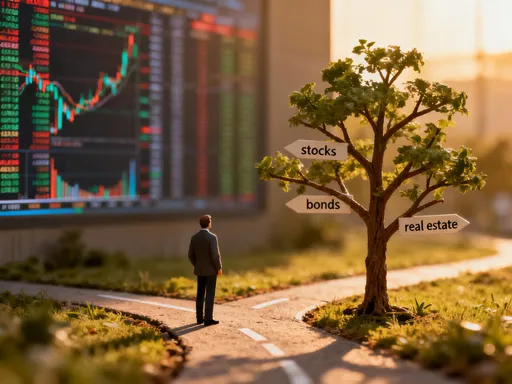
Risk control also means diversification—not just across asset classes, but across geographies and industries. I don’t rely on a single market or sector to drive returns. This approach smooths out volatility and increases resilience. During periods of uncertainty, I focus on what I can control: my spending, my saving rate, and my emotional response. I remind myself that market fluctuations are normal. They don’t mean I’ve failed—they mean I’m participating in a dynamic system. By treating risk as a constant to be managed, not a threat to be feared, I’ve built a more sustainable and peaceful financial life.
Tools That Help—Without Overcomplicating Life
Early in my journey, I downloaded every finance app available. I had dashboards tracking minute-by-minute price changes, alerts for every news mention, and automated trading bots promising high returns. The result? Information overload and decision paralysis. I was drowning in data but starved for insight. What finally helped wasn’t more tools, but fewer. I simplified to just three: one for budget tracking, one for market updates, and one for monitoring long-term financial goals. These tools are basic, but they’re reliable and serve a clear purpose.
My budgeting app syncs with my accounts and categorizes spending automatically. It doesn’t make decisions for me, but it shows me where my money actually goes—often different from where I think it goes. The market update tool delivers a daily summary of major economic events and global market movements from trusted sources, without sensationalism. The third tool is a simple goal tracker where I log progress toward milestones like retirement savings or home ownership. These tools support my routine without replacing my judgment. I avoid anything that promises “set it and forget it” results or claims to predict the market with artificial intelligence. Those often create false confidence and encourage passive decision-making.
The right tools should enhance clarity, not replace thinking. They should save time, reduce stress, and align with your values. For example, I turned off push notifications for stock price changes. Constant alerts only increased anxiety without improving outcomes. Instead, I check updates at scheduled times, which keeps me informed without being reactive. Technology is most useful when it serves the human, not the other way around. By choosing simplicity over complexity, I’ve gained more control, not less. The goal isn’t to automate everything—it’s to create space for thoughtful decisions.
Making It Stick: From Practice to Progress
The most challenging part of this journey wasn’t learning new strategies—it was building consistency. I failed repeatedly at maintaining a routine until I linked my financial habits to existing ones. Now, my morning check-in happens right after I brew my coffee. My evening journaling follows my nightly tea. By attaching new behaviors to established ones, I made them easier to remember and harder to skip. I also started celebrating small wins: staying calm during a market dip, avoiding an unnecessary purchase, or simply completing my daily review. These moments may seem minor, but they build confidence over time.
I track my progress not just in dollars, but in behavior. For example, I note how many times I followed my rules versus how many times I was tempted to break them. This self-awareness has been more valuable than any investment return. I’ve learned that financial health is less about perfection and more about persistence. There will always be market swings, unexpected expenses, and moments of doubt. What matters is showing up consistently, making adjustments, and staying aligned with long-term goals.
This routine hasn’t made me rich overnight. But it has given me something more valuable: peace of mind. I no longer feel at the mercy of the market. I have a framework for making decisions, a process for managing risk, and a clear sense of direction. Money no longer controls me—I manage it with intention. That shift has improved not just my finances, but my overall well-being. The goal isn’t to outsmart the market. It’s to build a life where money supports your values, reduces stress, and creates freedom. And that, more than any return, is the real measure of success.